Vietnam is a vibrant and enchanting country that attracts travelers from around the globe with its rich history, diverse landscapes, and bustling cities. Whether you’re an adventurer, a history buff, or a culinary enthusiast, planning a trip to Vietnam requires careful consideration of its unique offerings. This guide will help you navigate the essentials of Vietnam travel planning, providing insights into the country’s cultural nuances and must-see destinations.
Understanding Vietnam: An Overview
Stretching from the lush green mountains of the north to the serene sandy beaches of the south, Vietnam is a country of contrasts. The confluence of ancient traditions and modern developments creates an unforgettable travel experience. The country’s history is deeply rooted in its battles for independence and its vibrant ethnic diversity, which is evident in its numerous cultural festivals and markets.
Key Destinations to Explore
Vietnam offers an array of destinations that cater to various interests. Whether you’re drawn to historic sites or natural wonders, there’s something for everyone.
Hanoi: The Capital City
Begin your journey in Hanoi, the bustling capital, known for its colonial architecture and vibrant street life. Don’t miss a visit to Hoan Kiem Lake or the Ho Chi Minh Mausoleum to dive into Vietnam’s storied past.
Halong Bay: Natural Wonder
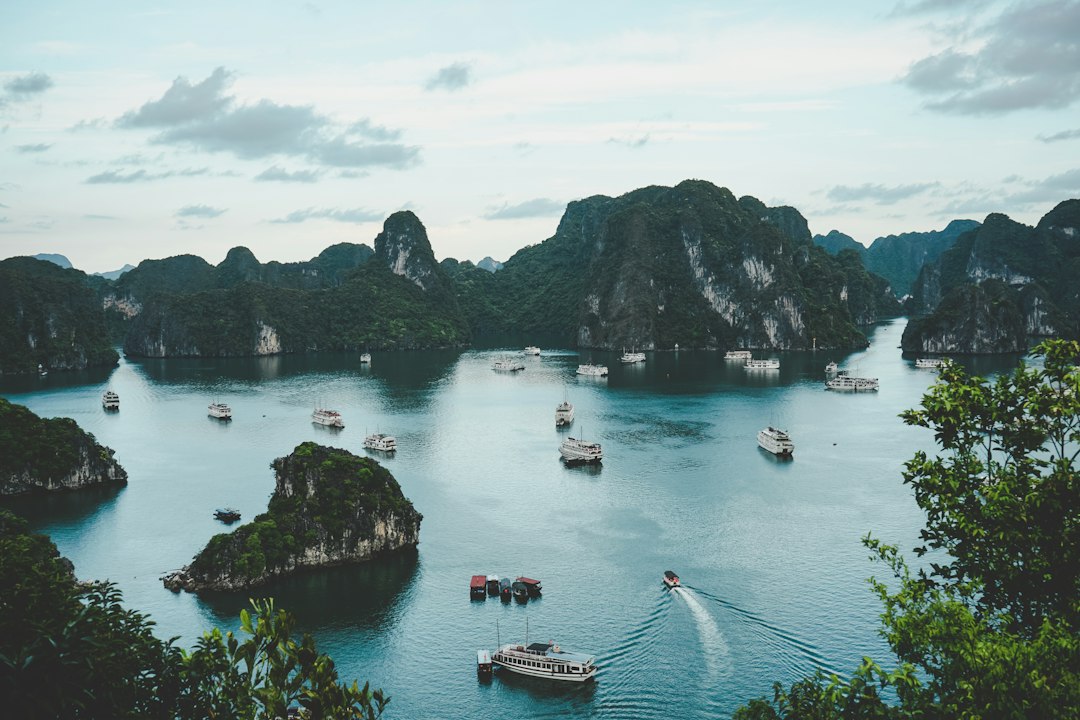
Famed for its emerald waters and limestone islands, Halong Bay is a UNESCO World Heritage site ideal for cruising and exploring caves. Consider booking a tour aboard a traditional junk boat to fully appreciate the bay’s beauty.
Embracing the Local Culture
Understanding and respecting local customs is pivotal when traveling in Vietnam. The Vietnamese culture is deeply influenced by Confucianism, which emphasizes respect, harmony, and community values.
Culinary Experiences
Vietnam’s cuisine is renowned for its freshness and balance of flavors. From street food stalls to high-end restaurants, dishes like Pho and Banh Mi offer a taste of the local lifestyle. Be sure to try regional specialties that vary from north to south.
Traditional Etiquette
When interacting with locals, it’s important to adhere to conventional etiquette. Dress modestly, especially when visiting temples, and always take off your shoes before entering a Vietnamese home.
Travel Essentials
Preparing adequately for your trip can significantly enhance your Vietnam travel experience. Here are some practical tips:
Visa Requirements
Ensure you have the appropriate visa to enter Vietnam. Travelers from many countries can apply for an e-visa, but it’s crucial to check the latest requirements before departure.
Best Time to Visit
Weather conditions vary significantly across Vietnam. Generally, the best time to visit is from November to April when the weather is cooler and drier. However, specific regions have unique climate patterns, so planning according to your itinerary is wise.
Local Transportation
Getting around Vietnam can be an adventure in itself. Options range from renting a motorbike to taking domestic flights or trains. Each mode of transport provides a different perspective on the country’s landscapes and urban areas.
Outdoor Adventures and Activities
For those seeking adventure, Vietnam offers a wealth of outdoor activities catering to thrill-seekers and nature lovers alike. The country’s diverse landscapes provide an excellent backdrop for various pursuits.
Exploring Sapa’s Terraced Rice Fields
Nestled in the northern region, Sapa is renowned for its stunning terraced rice fields and vibrant ethnic culture. Trekking through these fields offers an immersive experience, allowing you to witness the unique agricultural practices and interact with local hill tribes. Organized treks are available, ranging from day hikes to multi-day expeditions.
Sand Dunes of Mui Ne
Head to the coastal town of Mui Ne to explore its impressive sand dunes, a standout natural attraction. Activities such as sandboarding or taking a jeep tour through the dunes offer a thrilling escape from the usual tourist trails. The White and Red Sand Dunes are particularly popular for their surreal landscapes and breathtaking sunsets.
Evening Experiences in Vietnam
As the sun sets, Vietnam’s cities and towns transform with vibrant night markets, live music, and unique entertainment options.
Vietnamese Night Markets
Night markets are a quintessential Vietnamese experience, offering an eclectic mix of food, crafts, and street performances. Popular markets include Ben Thanh Market in Ho Chi Minh City and the night market in Hanoi’s Old Quarter. These bustling hubs are perfect for finding souvenirs, trying local street food, and soaking in the lively atmosphere.
Water Puppet Shows
Originating from Northern Vietnam, water puppet shows are a traditional form of entertainment that depict local folklore and village life. Available in cities like Hanoi, these performances beautifully showcase Vietnam’s artistic heritage through puppetry on water with live music.
Family-Friendly Activities
Vietnam is an excellent destination for families, offering various activities that appeal to travelers of all ages.
Ba Vi National Park
Located just a short drive from Hanoi, Ba Vi National Park is perfect for a family day trip. Home to lush forests, scenic hiking trails, and the ancient ruins of French colonial structures, the park provides many opportunities for both relaxation and exploration. Families can indulge in a picnic, enjoy recreational cycling, or visit the bird garden.
Cu Chi Tunnels
An educational and exciting experience, visiting the Cu Chi Tunnels offers insight into the ingenuity and resilience of Vietnamese locals during the Vietnam War. Tours of the tunnels, located near Ho Chi Minh City, are both informative and interactive, making them a fascinating visit for families interested in history.
Shopping in Vietnam
Exploring local markets and artisan workshops can provide travelers with unique souvenirs that capture Vietnam’s cultural essence.
Traditional Crafts in Hoi An
Hoi An is famous for its lanterns and tailored clothing. Visitors can explore tailor shops offering custom-made garments available within days or visit workshops to see how traditional silk lanterns are crafted. Participating in a lantern-making class is a memorable way to engage with local artisans and create a personalized memento.
Local Handicrafts in the Mekong Delta
The Mekong Delta region boasts an array of traditional handicrafts, including conical hats and handcrafted baskets. Visiting local workshops along the delta offers insight into traditional production methods and a chance to purchase authentic handcrafted goods directly from the artisans themselves.
Health and Safety Tips
When planning your trip to Vietnam, it’s vital to prioritize health and safety. Ensure that you have comprehensive travel insurance covering medical expenses and unexpected incidents. It’s also wise to consult with a healthcare professional about vaccinations and health precautions particular to the region.
Stay Informed About Local Laws
Familiarizing yourself with Vietnamese laws and customs can prevent misunderstandings. Vietnamese law enforcement is strict, especially regarding drug offenses. Being aware of these regulations can ensure a smooth trip.
Accommodation Options
Vietnam offers a wide range of accommodations to suit all budgets, from luxurious hotels to budget-friendly hostels and homestays. Cities like Ho Chi Minh City, Hanoi, and Da Nang have numerous options, and booking in advance is always recommended, especially during peak tourist seasons.
Eco-Friendly Stays
If you’re environmentally conscious, consider staying at eco-friendly hotels or green lodges. These accommodations emphasize sustainability, often utilizing solar energy, rainwater harvesting, and offering farm-to-table dining experiences.
Conclusion
Vietnam is a captivating destination with its rich cultural tapestry and scenic wonders. By planning thoughtfully and embracing the local culture, your Vietnam travel experience will be truly unforgettable. Dive deeper into the wonders of Vietnam and streamline your travel planning by visiting the complete guide at Vietnam Planner.
Frequently Asked Questions
What is the currency used in Vietnam?
The currency in Vietnam is the Vietnamese Dong (VND). It’s advisable to carry small denominations for local purchases.
Is it safe to drink tap water in Vietnam?
It’s recommended to drink bottled or filtered water during your stay in Vietnam to avoid waterborne illnesses.
What languages are spoken in Vietnam?
Vietnamese is the official language. In tourist areas, you will find English widely spoken, making communication easier for travelers.
How can I stay connected to the internet while traveling?
Most hotels and cafes offer free Wi-Fi. Alternatively, you can purchase a local SIM card for data access throughout your trip.
Leave a Reply